10 hr 30 min
Blue Cave & Five Islands Speedboat Adventure
- Expert local guide
- Small group
- Skip-the-line access
- Free cancellation
Okinawa Blue Cave Diving — Speedboat Adventures & Island Tours
Navigate the Adriatic's most luminous sea cave, five islands in a single sweep
Compare fares, pick the fit — all bookings are mobile-voucher and eligible for free cancellation where shown.
10 hr 30 min
10 hr 30 min
11 hr
Selecting the right okinawa blue cave diving experience involves choosing between a convenient boat-based arrival or a traditional shore-entry trek. These okinawa blue cave diving tours ensure you reach the iconic glowing grotto with expert guidance and necessary safety equipment.
|
Top pick Boat Access Direct to Cave |
Shore Entry Staircase Access | |
|---|---|---|
| Method | Boat transfer | Walk down stairs |
| Difficulty | Low (easy entry) | Moderate (includes steps) |
| Wait time | Minimal (scheduled) | Variable (queueing) |
| Safety equipment | Provided (life vest/gear) | Provided (life vest/gear) |
| Best for | First-timers/families | Budget-conscious adventurers |
| See tickets & prices |
Verdict: For the most seamless visit to this famous Okinawa landmark, we recommend selecting boat-based okinawa blue cave diving tickets to bypass the steep staircase hike.
Worth it for snorkelers, skippable for divers
Okinawa blue cave diving at Cape Maeda delivers accessible underwater beauty without entry fees—you pay only for gear rental (typically ¥3,000–¥5,000) and parking (¥500). The natural limestone grotto produces signature blue light when sunlight refracts through the entrance, creating memorable photo conditions for snorkelers and beginner divers. Visibility peaks early morning before tour groups arrive; midday crowds compress the cave experience to 10–15 minutes of elbow-to-elbow swimming. Experienced divers often find the shallow depth (5–10 meters) and short swim-through underwhelming compared to Kerama Islands or Miyako's drop-offs. The site works best as a quick add-on if you're already in Onna—worth the detour for families and first-timers chasing that electric blue glow, but not a destination dive for certified enthusiasts seeking coral walls or pelagic action.
Bottom line: If you're snorkeling Okinawa's coast, the Blue Cave's ethereal glow justifies the stop—but certified divers should prioritize deeper reef sites instead.
They complement each other; most visitors who do both find that scuba diving offers a more immersive underwater perspective, while snorkeling provides a convenient way to observe the blue light from the surface.
|
Top pick Scuba Diving |
Snorkeling | |
|---|---|---|
| Depth | 5–12 meters | Surface level |
| Experience type | Submerged breathing | Floating on surface |
| Skill requirements | No license needed | None (life jacket recommended) |
| Equipment | Oxygen tank provided | Mask, snorkel, fins, vest |
| Duration | Approx. 2 hours | Approx. 1–2 hours |
| Suitability | All (12–60 years) | All (5+ years) |
| Interaction | Close with marine life | View from above |
| Safety | Guided supervision | Guided or independent |
| See tickets & prices |
Verdict: Choose the scuba diving okinawa blue cave diving tour if you desire an immersive, weightless encounter with the reef, or opt for snorkeling if you prefer a simpler, family-friendly way to enjoy the cave's famous blue glow.
Hand-picked experiences loved by thousands of travelers
7.5 hours
Free Cancellation
Explore stunning Adriatic caves, hidden coves and pristine beaches on this full-day island-hopping tour
10 hours
Free Cancellation
Journey across the Adriatic to explore six spectacular destinations including the glowing Blue Cave
6.5 hours
Free Cancellation
Explore Vis island's coastline by speedboat, visiting iconic caves, secluded bays, and pristine beaches
7.5 hours
Free Cancellation
Discover dramatic sea caves, pristine beaches, and luminous turquoise waters on this full-day island-hopping journey
10 hours
Free Cancellation
Discover Adriatic treasures on this full-day speedboat journey to stunning caves, hidden beaches, and historic islands
10 hours
Free Cancellation
Discover Croatia's stunning Adriatic coastline on a full-day speedboat journey to hidden coves and charming island towns
8 hours
Free Cancellation
Full-day sailing journey through UNESCO bay waters with cave swimming and island exploration
2 to 6 hours
Free Cancellation
Charter your own speedboat to explore stunning sea caves, cliff jump, and relax on sandy shores
Check-in and equipment fitting at Cape Maeda base.
Briefing on safety and underwater communication signals.
Guided underwater exploration within the Blue Cave.
Rinse facilities and gear return process.
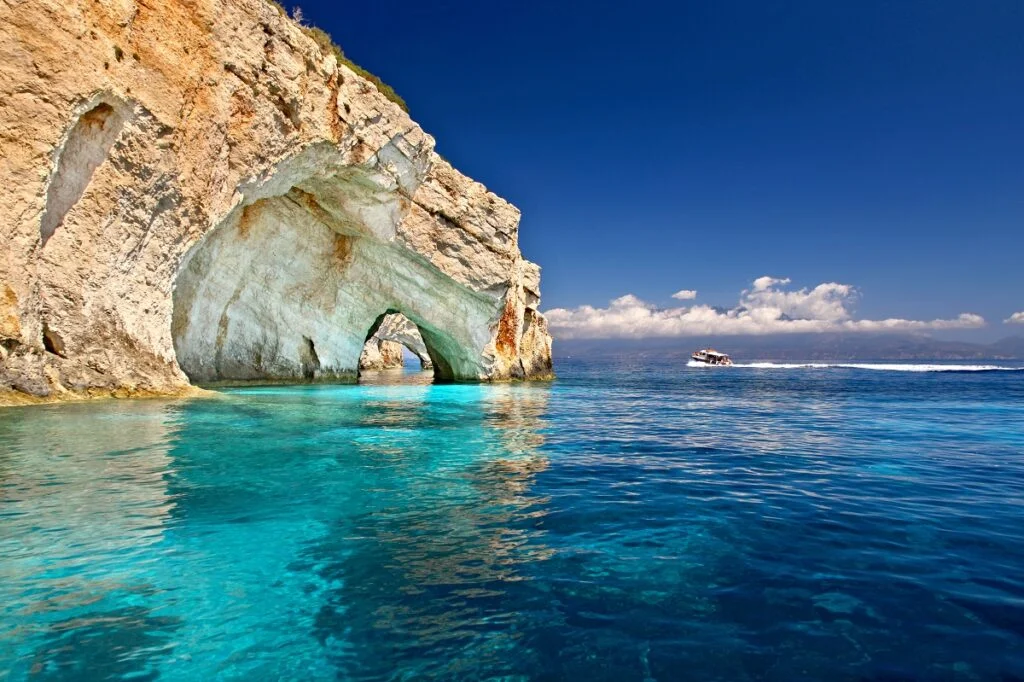
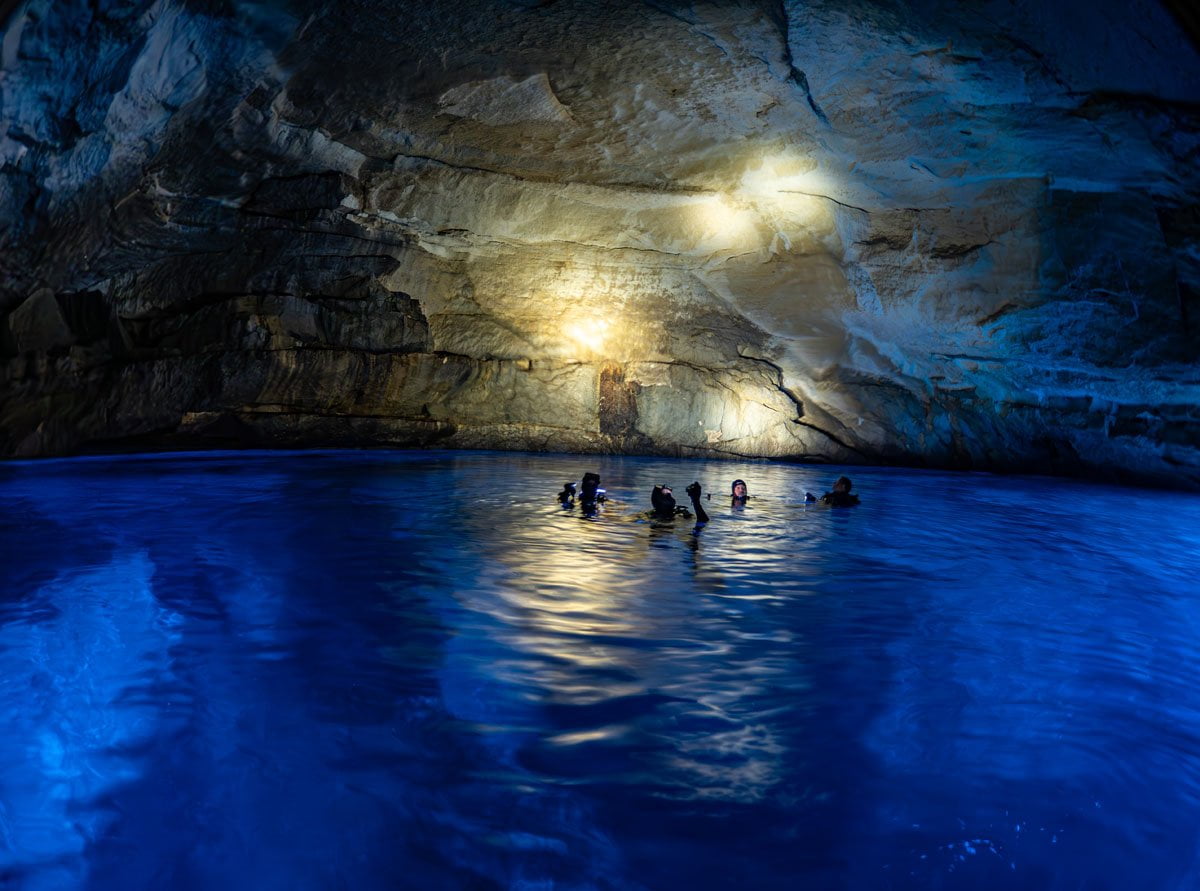
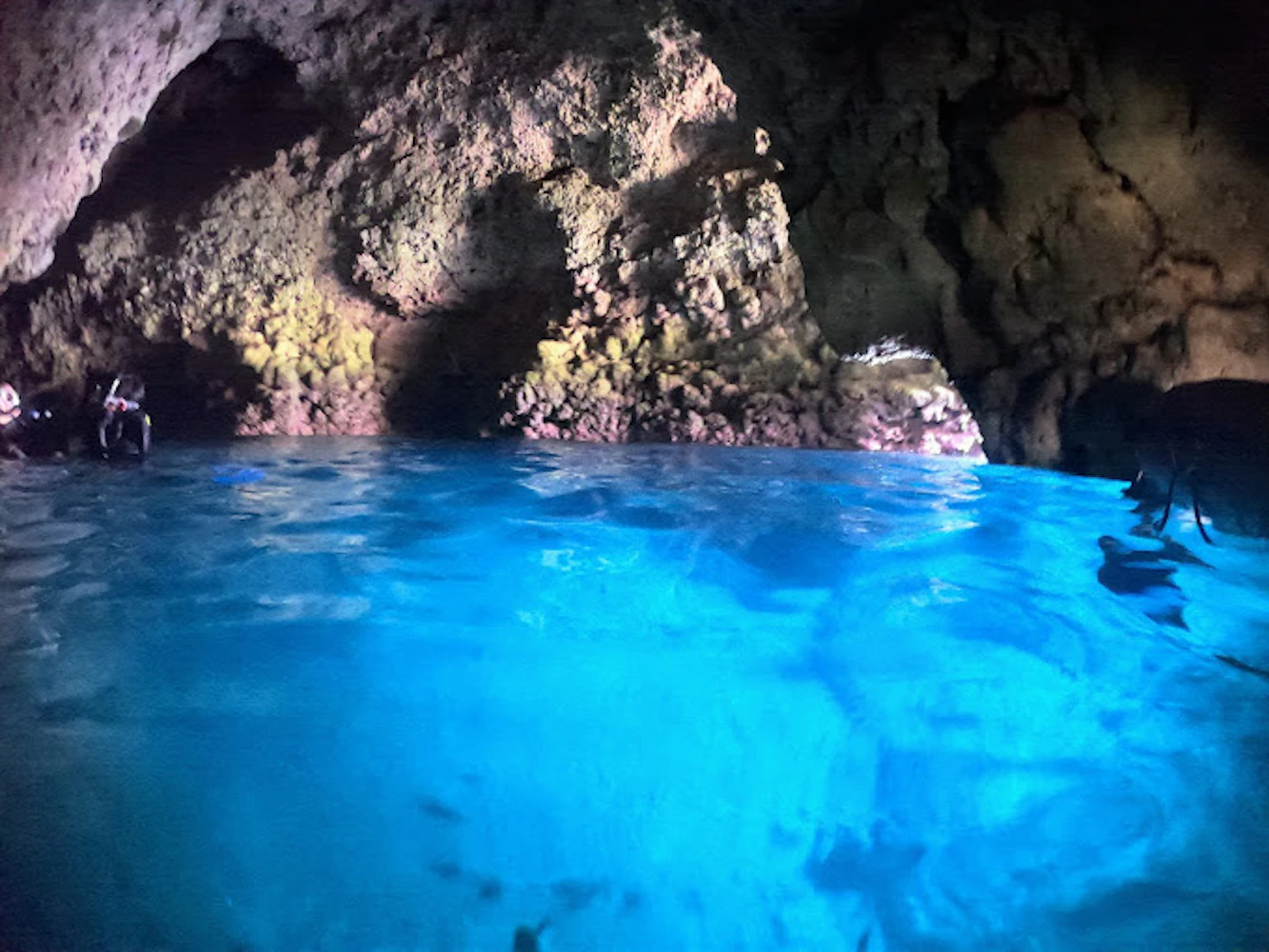
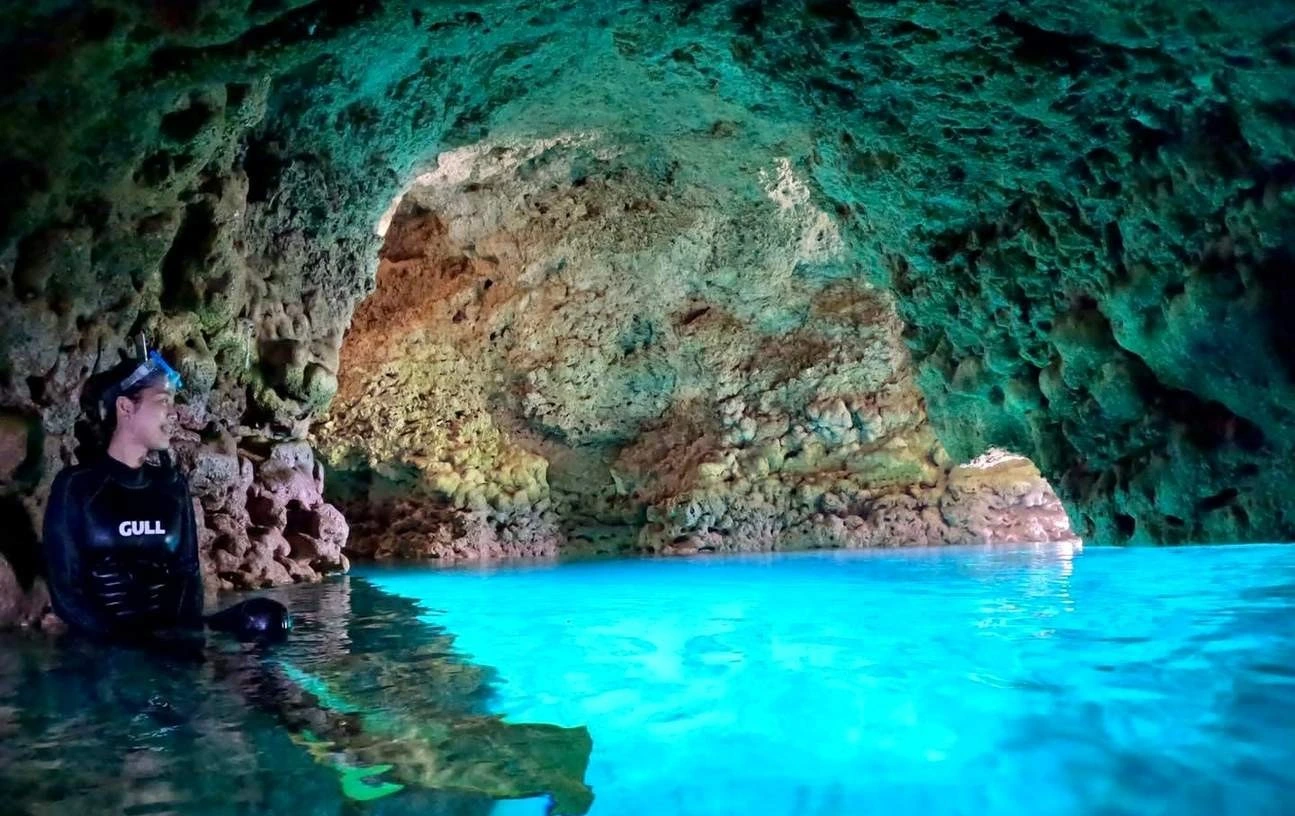
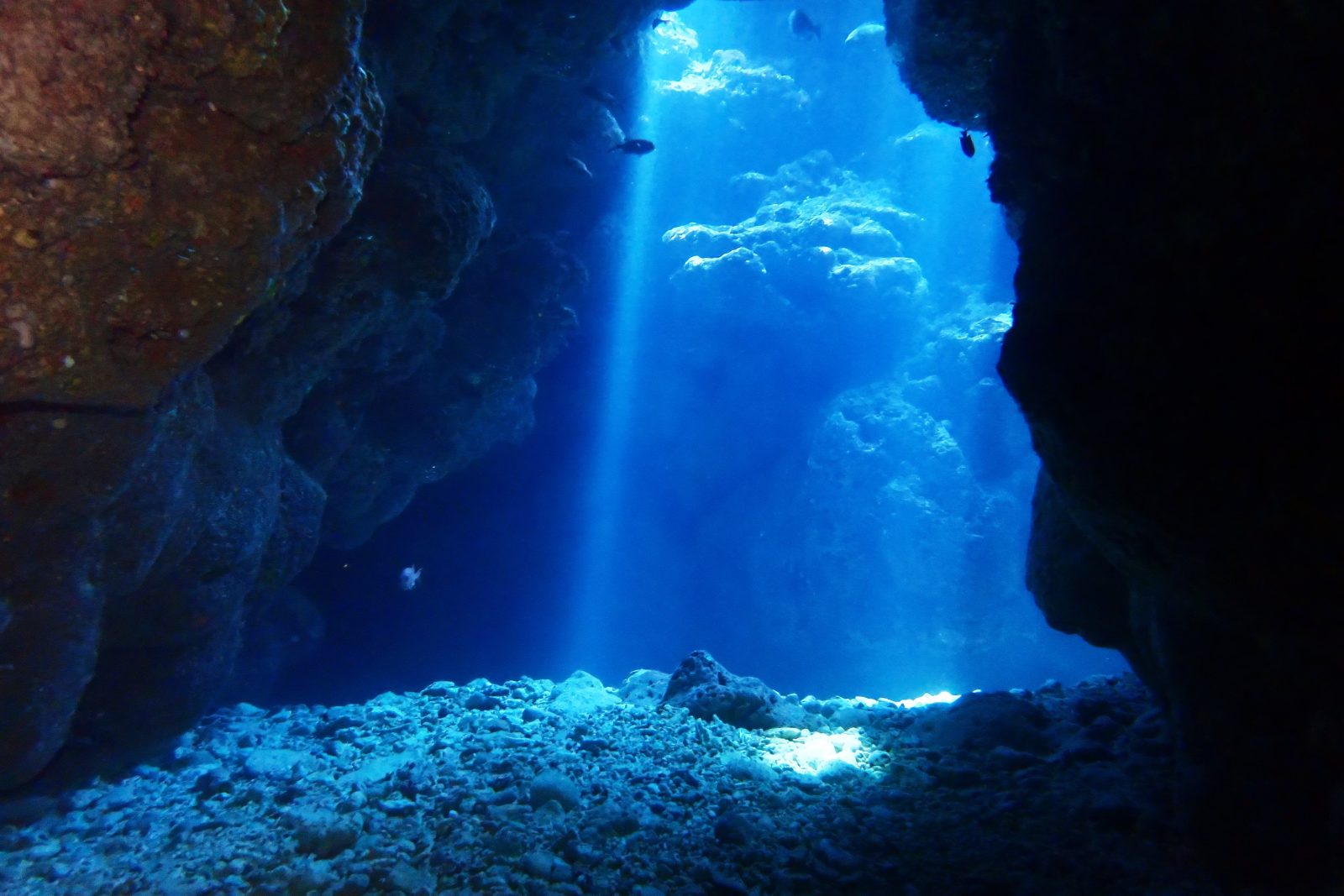
The interior of the cave reflects light through the water to create a vibrant blue glow. This natural phenomenon is the primary draw for those seeking the best okinawa blue cave diving tours.
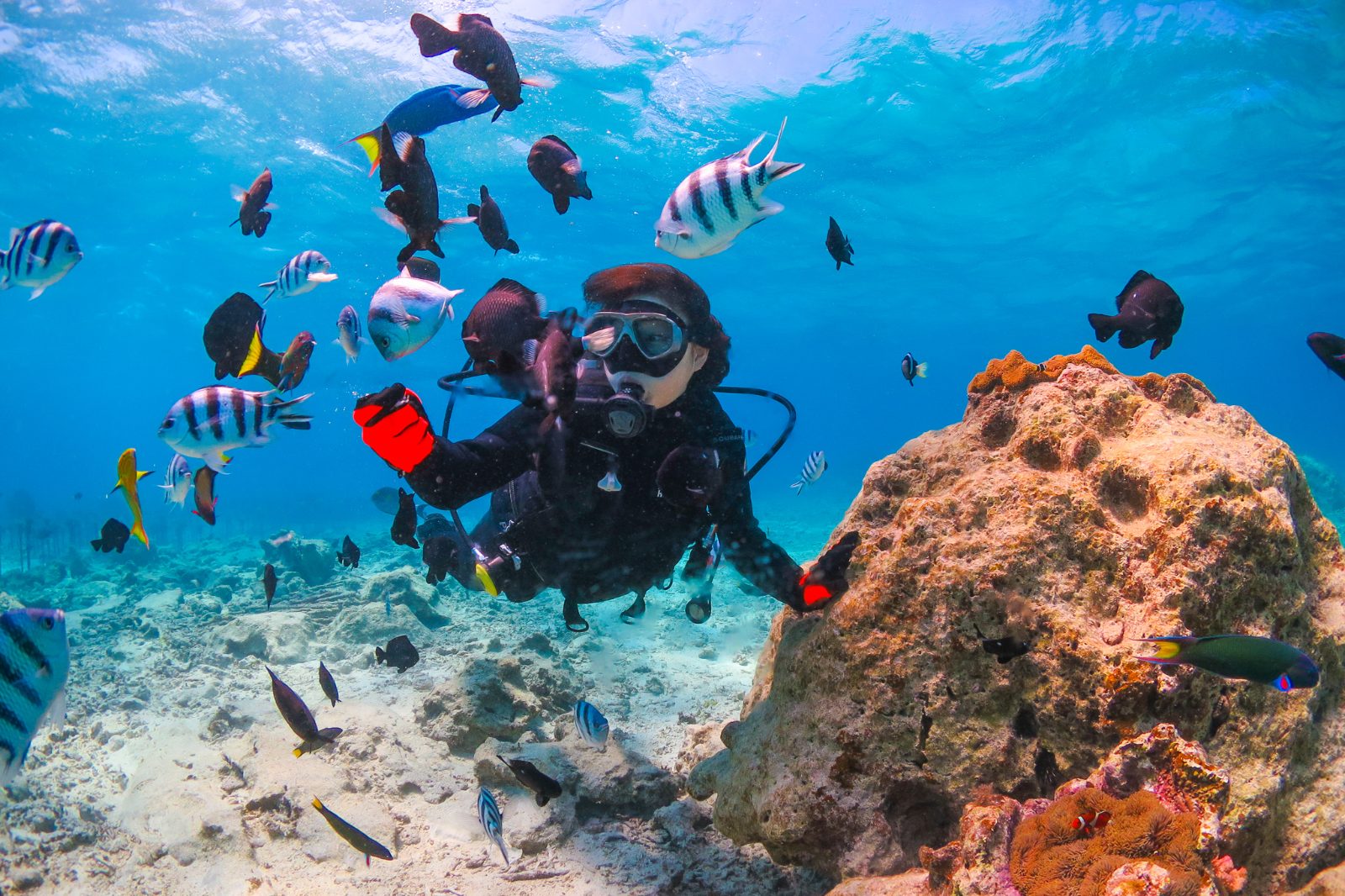
The surrounding reef hosts diverse marine life including tropical fish and soft corals. It provides a rich backdrop for any okinawa blue cave diving tour participant.
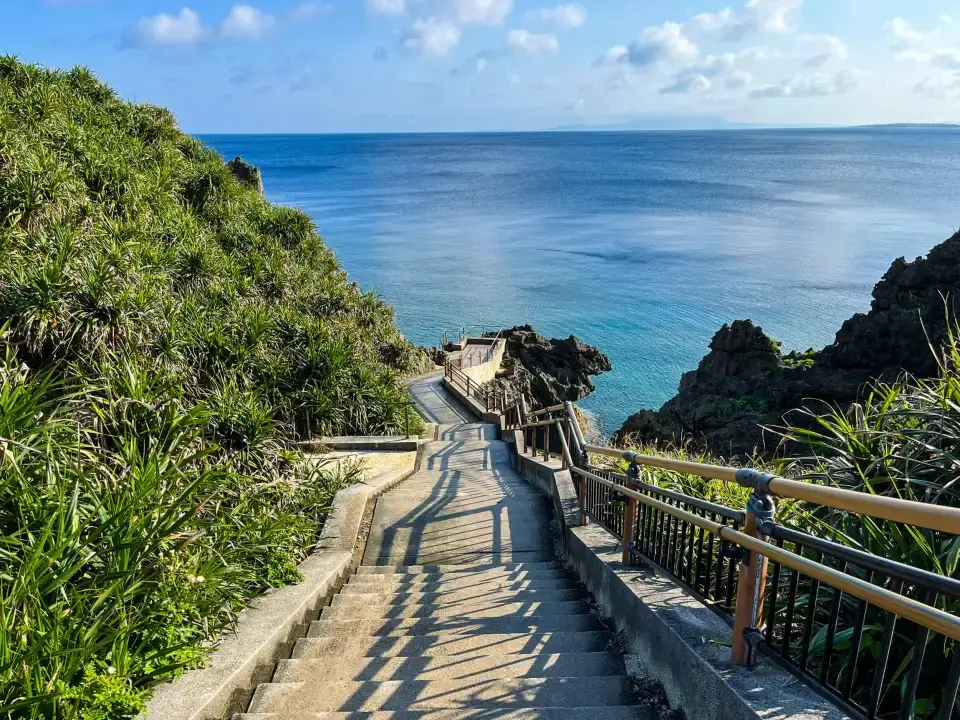
The descent consists of approximately 100 steps leading from the facility directly to the shore. This path is a iconic feature of the Cape Maeda landscape.
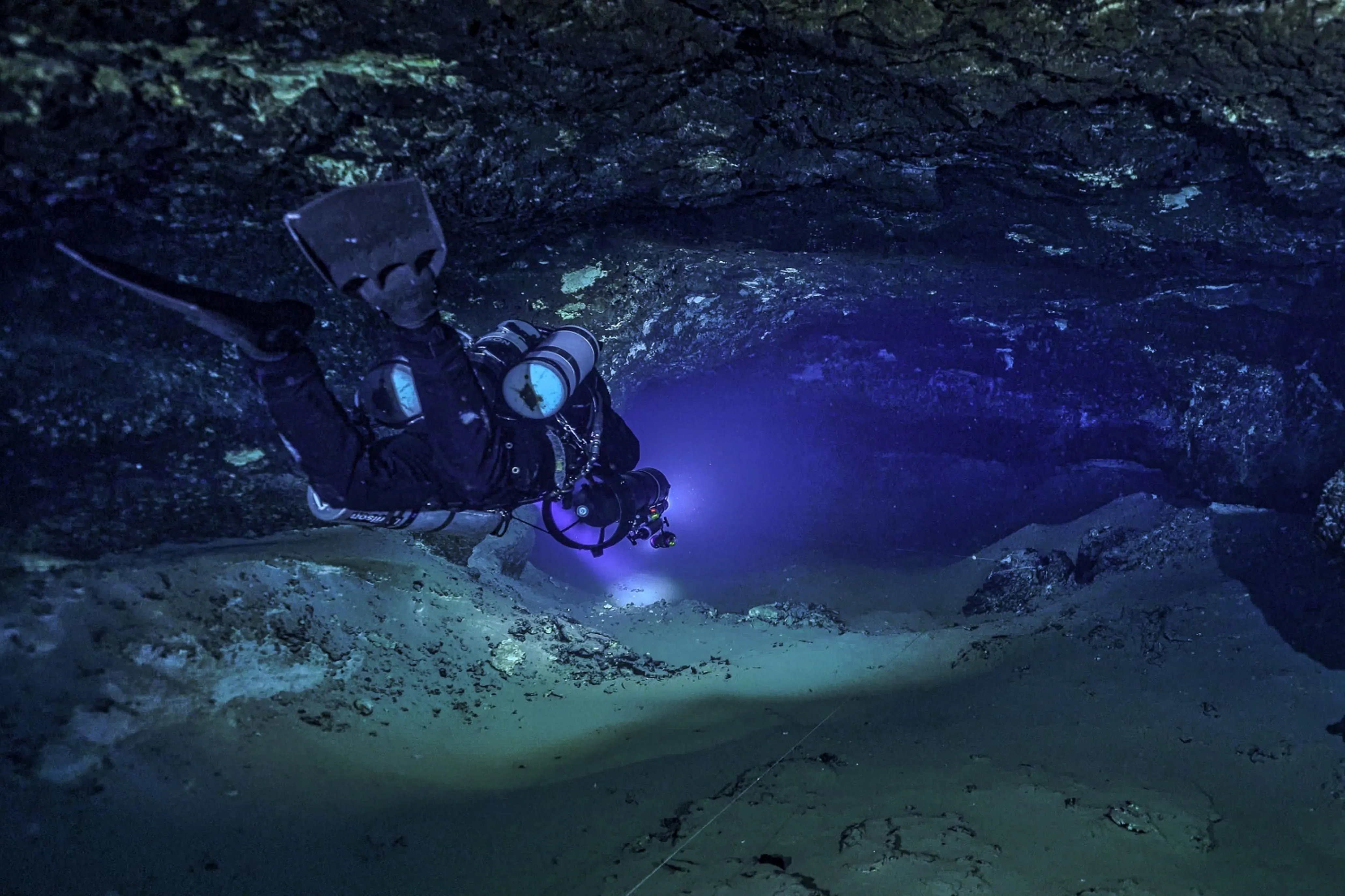
Natural rock formations create underwater passages that divers traverse during the exploration. These geological features define the technical interest of the dive site.
The sandy bottom near the entrance is ideal for practicing buoyancy before entering the deeper zones of the Blue Cave.
You board the speedboat at Split's Matejuška harbor at 08:30, joining 10 other passengers for the 90-minute crossing to Biševo. The vessel cuts southwest past Šolta Island, where the captain throttles down to navigate the channel between Vis and Ravnik.
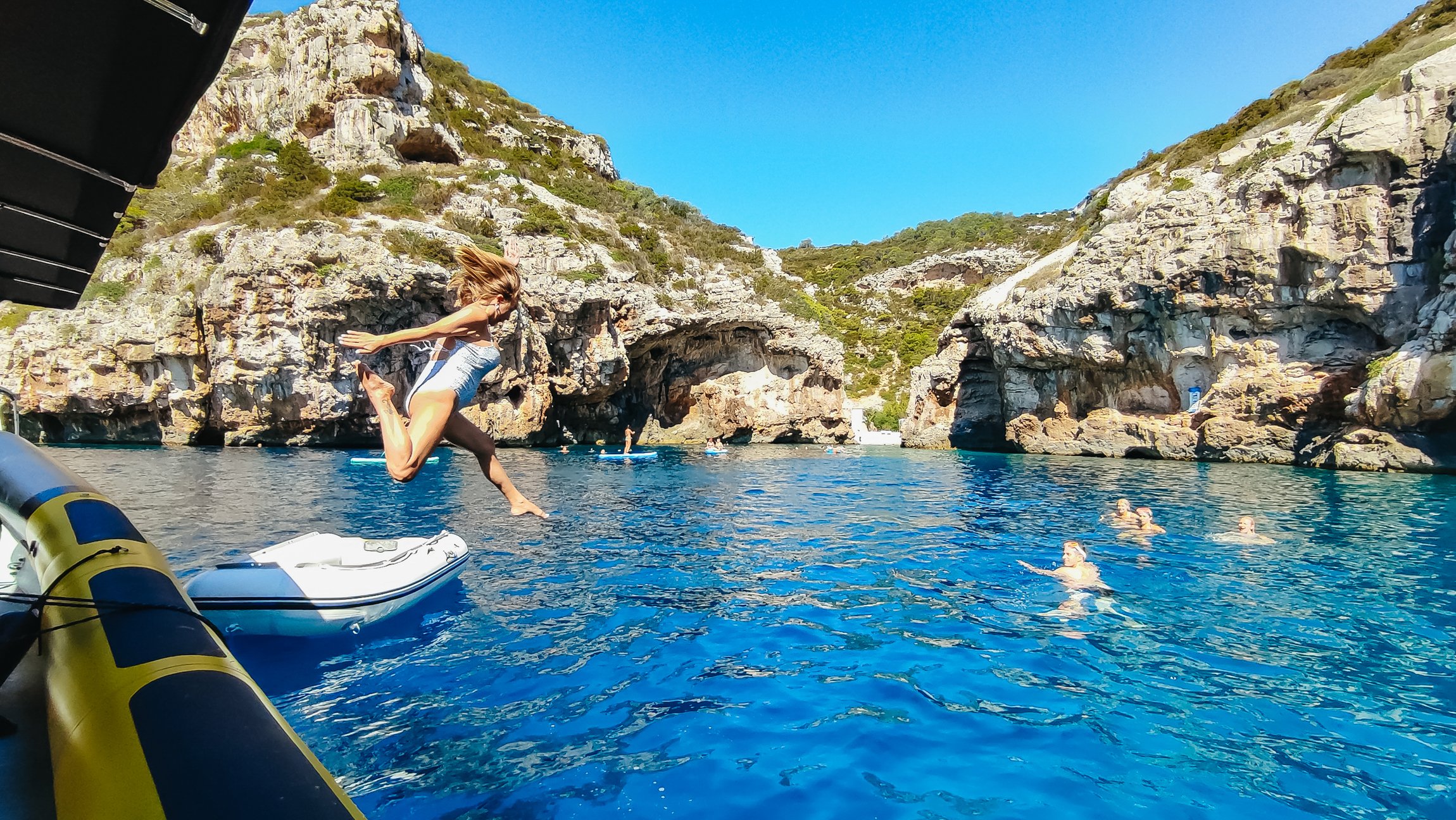
Your first stop is Stiniva Cove—you anchor 30 meters offshore and wade through waist-deep water to a pebble beach hemmed by 40-meter limestone walls. Fifteen minutes later, you reboard and continue to the Green Cave, where daylight pours through a ceiling fissure and illuminates the jade-tinted water below.
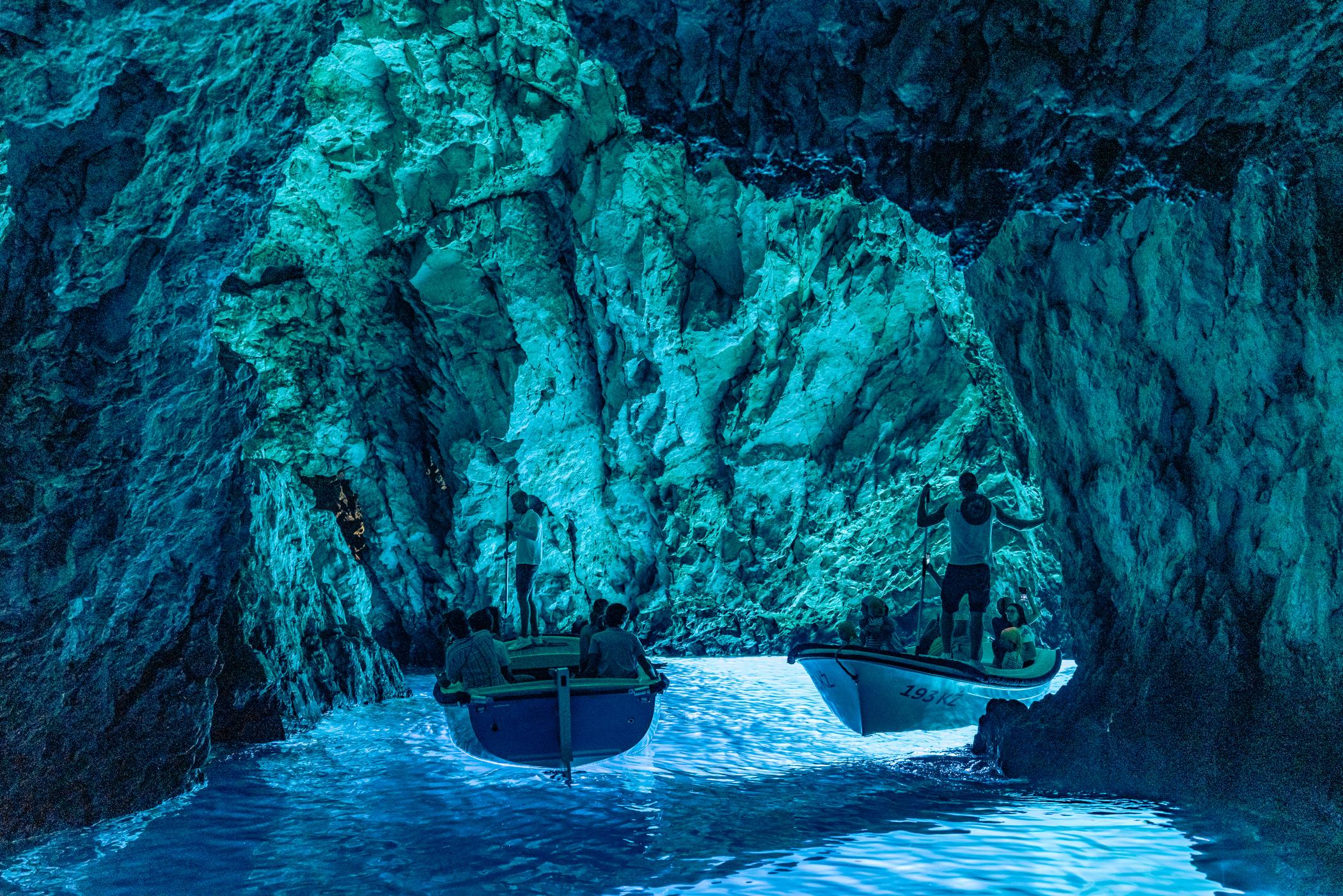
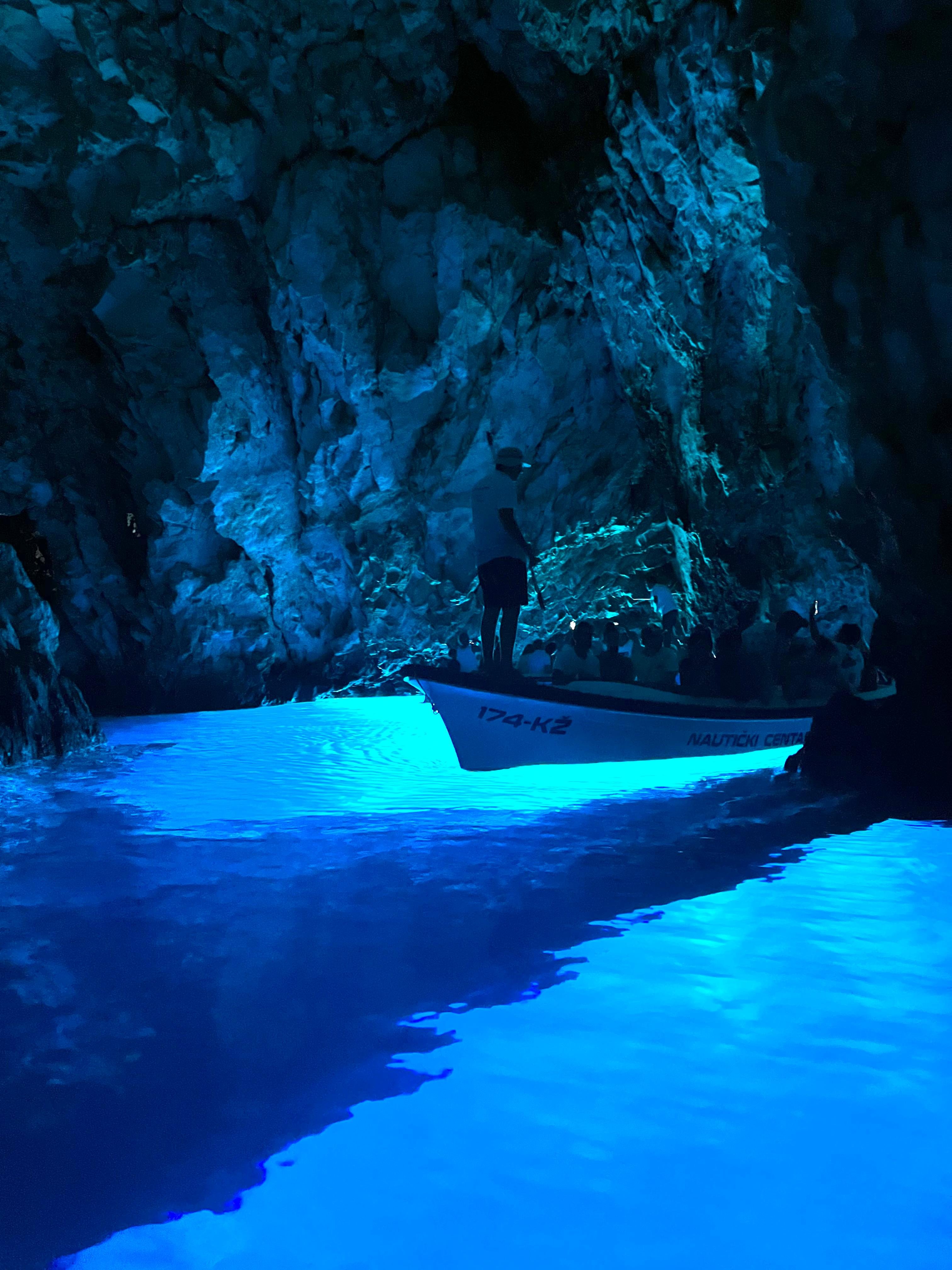
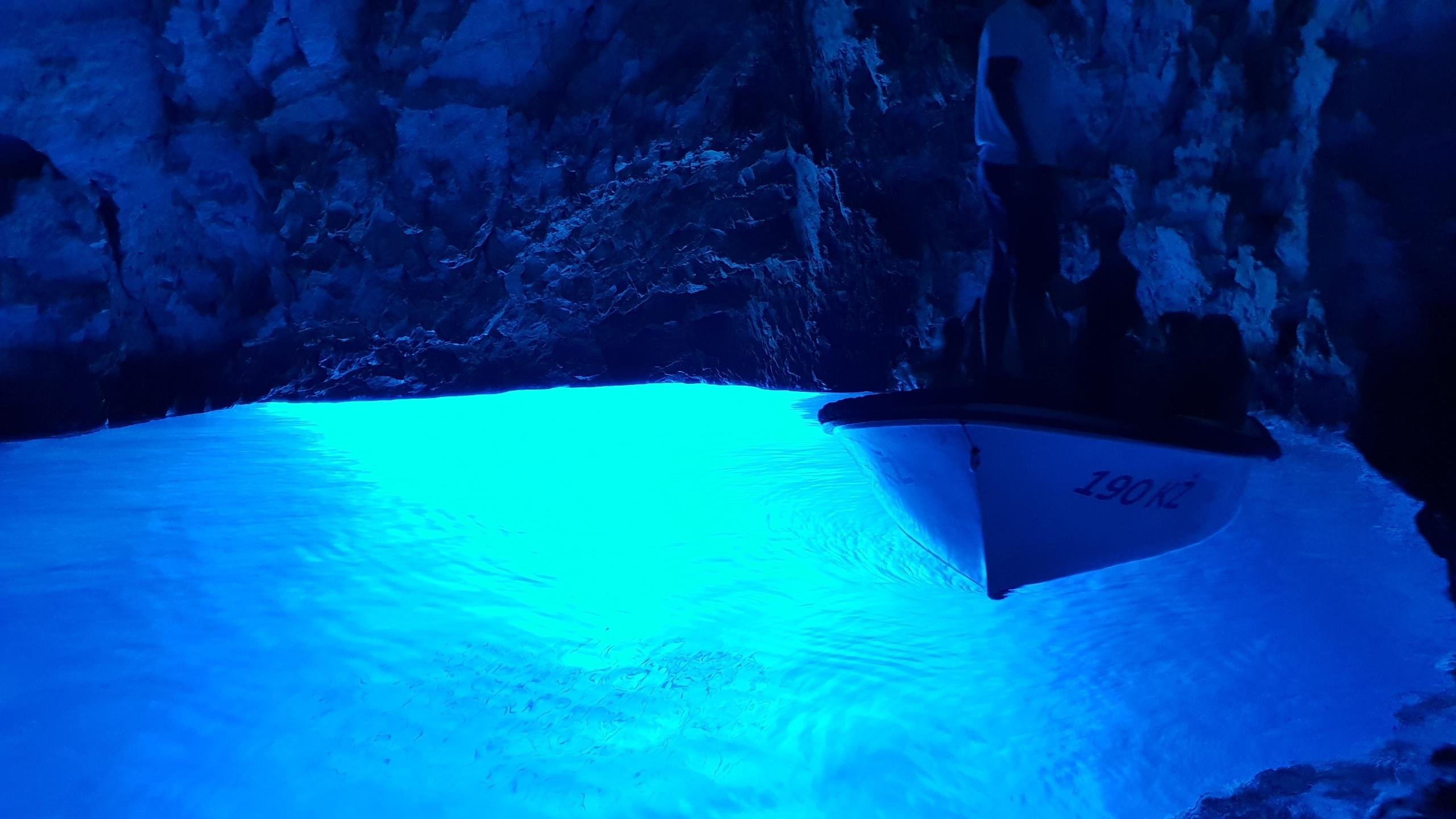
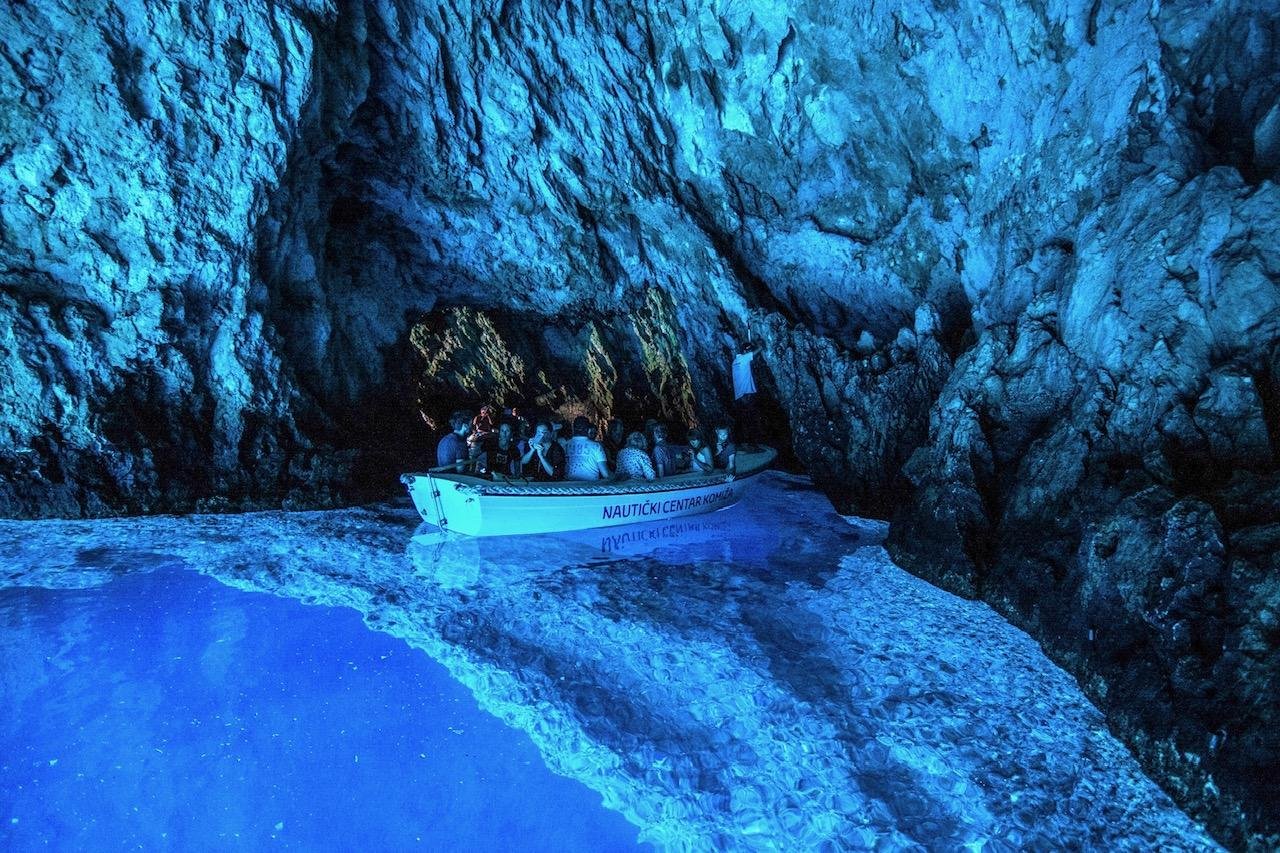
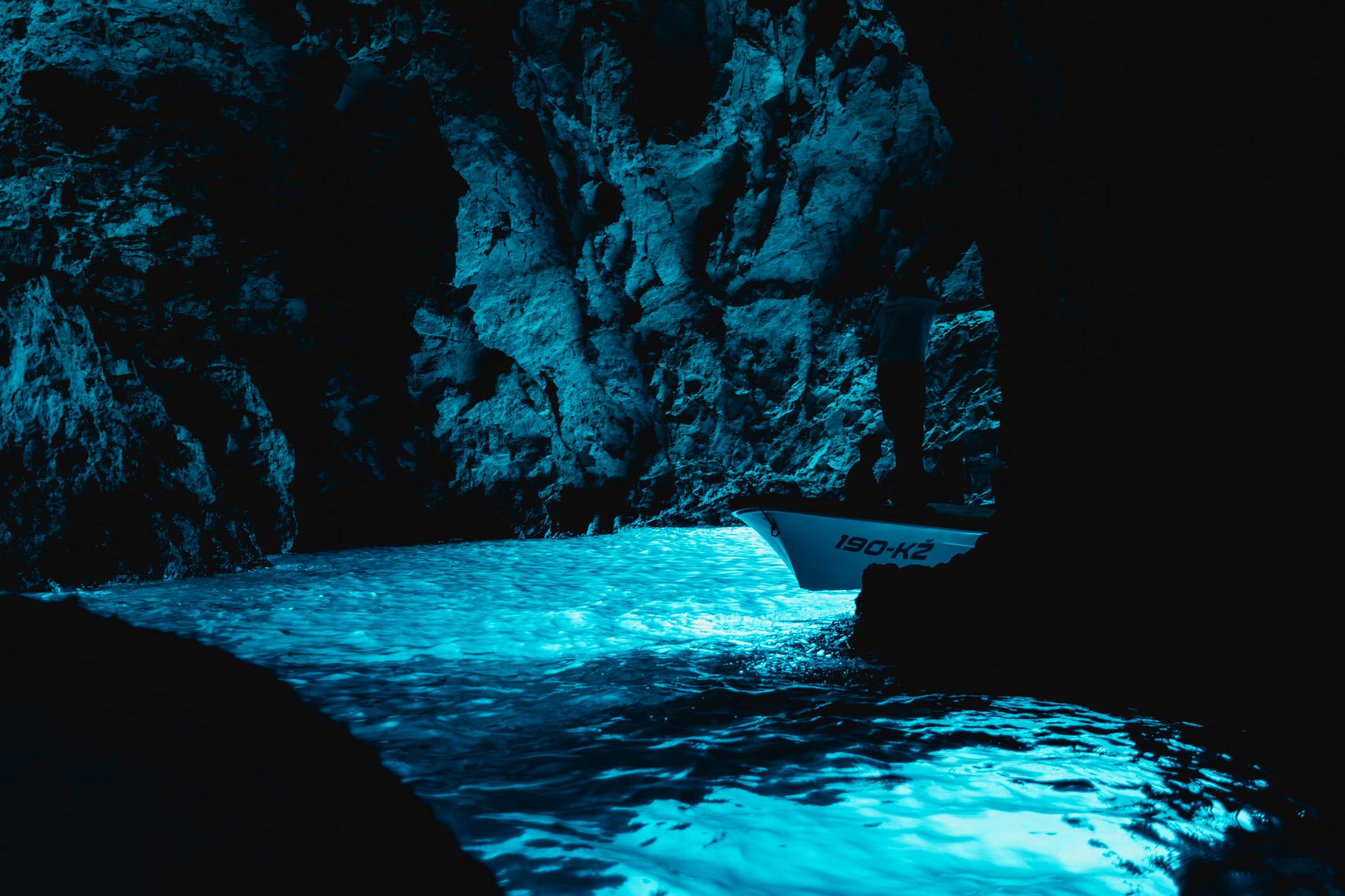
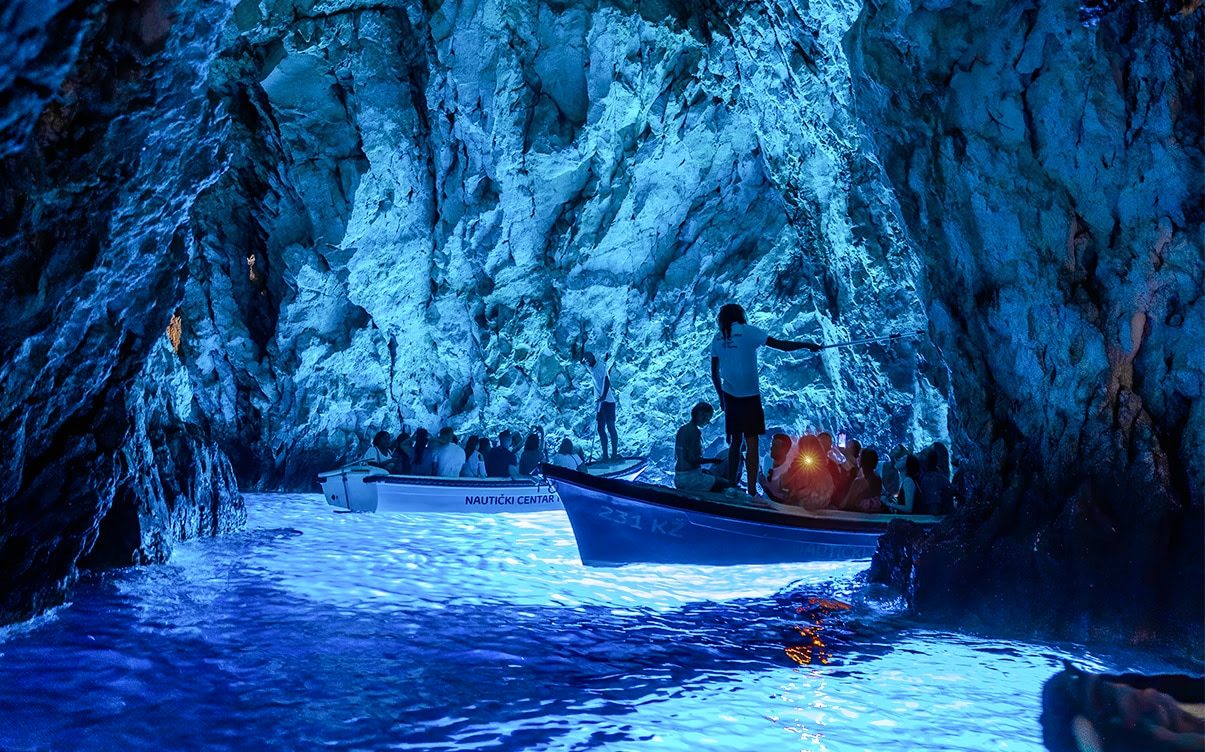
At Biševo, the crew transfers you to a six-seat tender for the approach to the Blue Cave entrance, a two-meter-high arch carved by wave action. You duck as the boat slips inside. The chamber opens into a 10-by-15-meter oval, its walls glowing electric blue from the submerged light source. You have four minutes inside—no swimming, no touching the rock—before the tender reverses out and the next group enters. The speedboat then motors to Budikovac's lagoon, where you anchor for 30 minutes of snorkeling over sandy shallows populated by damselfish and sea urchins. The return leg passes Pakleni Islands before docking back in Split at 16:00.
All the details about your upcoming adventure in one place
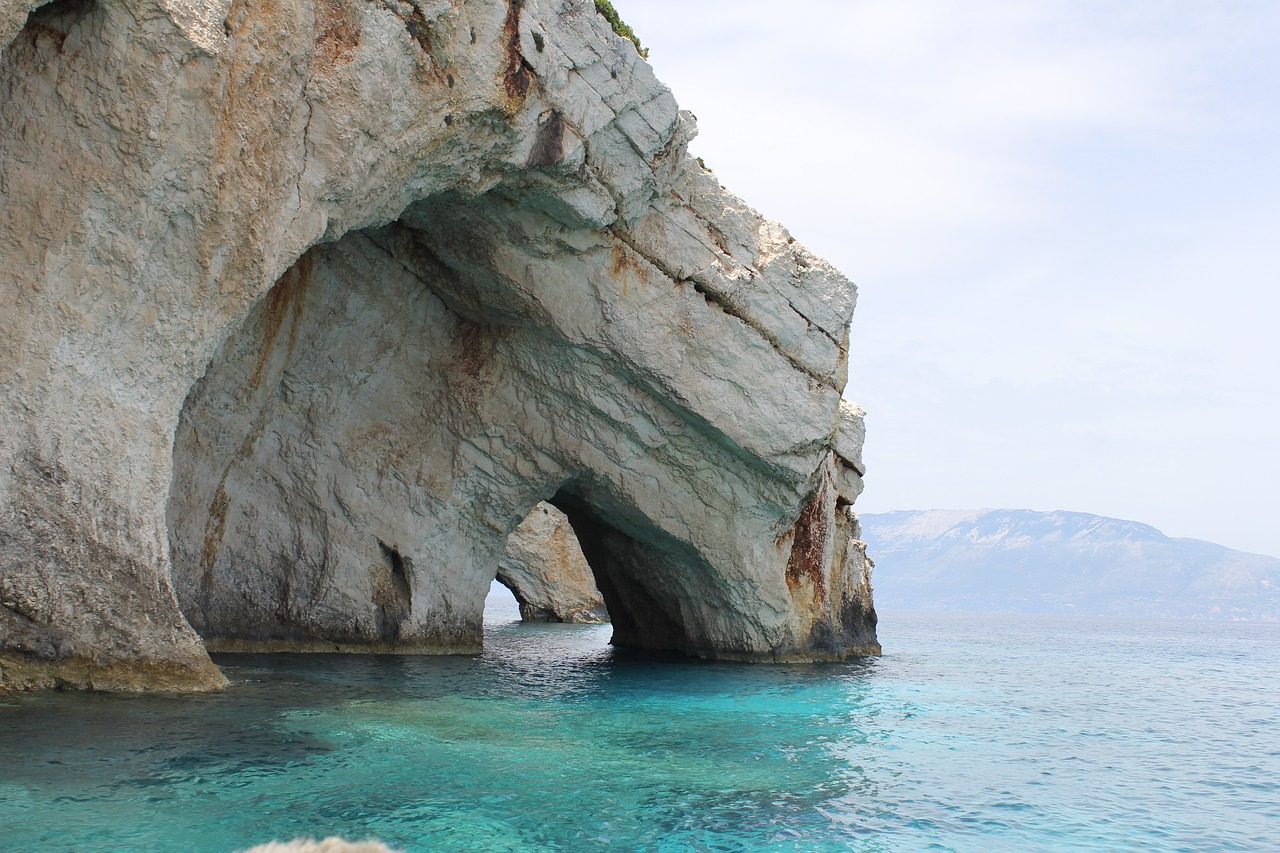
The Blue Cave on Biševo Island earned its name from a singular optical phenomenon: sunlight enters through an underwater opening at precisely 32 meters depth, refracts through the Adriatic, and bathes the cave's interior in a cerulean glow that shifts intensity with the tide.
Croatian geologists first mapped the 24-meter-long chamber in 1884, but local fishermen had navigated its entrance for centuries, timing their passages to calm morning seas. The cave's fame spread after 1951, when the Yugoslav tourism ministry installed mooring infrastructure and regulated access to preserve the fragile limestone.
Today, okinawa blue cave diving expeditions depart from Split and Hvar between April and October, when Adriatic swells subside and visibility reaches 20 meters. The speedboat route threads through the Vis archipelago, a cluster of five islands that remained a closed military zone until 1989. Guides typically anchor at Stiniva Cove on Vis, where vertical cliffs frame a 10-meter beach, then continue to the Green Cave on Ravnik Island, a second sea cavity lit by a roof aperture. The Blue Cave itself permits entry only by small tender boats, six passengers at a time, reducing engine noise and wave turbulence inside the chamber.
Biševo's geological composition—layered Cretaceous limestone interbedded with marl—creates the reflective surfaces that amplify the cave's luminescence. Marine biologists have cataloged 17 endemic species in the surrounding waters, including the noble pen shell, a bivalve mollusk that anchors in the sandy substrate outside the cave mouth. The island's resident population hovers at 15, most clustered in the hamlet of Mezuporat, where a 19th-century stone pier still serves as the primary landing point. Conservation regulations prohibit swimming inside the Blue Cave and limit daily visitor numbers to 1,200, a quota enforced through timed entry slots managed by the Vis municipal authority.
The five-island circuit extends beyond Biševo to include Budikovac, known for its shallow turquoise lagoon, and Pakleni Islands, an archipelago of 16 islets west of Hvar. Tour operators schedule departures as early as 08:30 to secure optimal lighting conditions inside the cave, when the sun's angle maximizes the underwater beam. Return journeys typically include a stop at Stončica Bay for snorkeling, where the seafloor drops to 12 meters and visibility remains consistent through September.

Sunlight enters through an underwater opening at 32 meters depth, refracts through the Adriatic, and bathes the cave's interior in a cerulean glow that shifts intensity with the tide.
Divers should wear a swimsuit under provided wetsuits for optimal comfort during okinawa blue cave diving.
Secure personal items in provided lockers as there is no storage inside the cave for your okinawa blue cave diving experience.
Underwater cameras are permitted, provided they are secured with a wrist strap for your okinawa blue cave diving excursion.
Children must meet specific age and height requirements defined by your instructor for safe okinawa blue cave diving.
The descent to the Blue Cave involves approximately 100 stairs, which may be challenging for those with limited mobility.
Consumption of food and beverages is restricted to designated areas at the Cape Maeda facility, not near the water entrance.
Opening Hours
08:30–17:30
Address
469-1 Maeda, Onna, Kunigami District, Okinawa 904-0417, Japan
Accessibility
Stairs access required for shore entry
Best Window
08:30–10:30
Storage
Limited lockers at facility
Official Site
http://www.maedamisaki.jp/
Car · 60-90 min · Varies by rental cost.
Rental car is the most reliable method for reaching Cape Maeda, with parking fees applicable on-site.
Public transport · 120 min · Approximately 1500 JPY.
Take local bus routes to the nearest stop, followed by a short taxi ride or walk.
Tours must be cancelled according to the operator's specific booking terms. Refund eligibility depends on the notice provided before the scheduled okinawa blue cave diving tour.
Recommended time
2-3 hours
Plan for this duration to cover your arrival, safety briefing, and the boat or shore entry for okinawa blue cave diving. The coastal topography and limestone formations require time to navigate, so booking okinawa blue cave diving tours in advance helps bypass potential queue delays at the water entry point. If you secure your okinawa blue cave diving tickets for a later slot, expect increased foot traffic along the trail and more divers near the grotto. Opting for a professional okinawa blue cave diving tour ensures you have expert guidance through the crystalline waters of this popular Japan landmark.
Crowd levels through the day
Weather · crowds · average price — dots go green to amber to red as each metric rises.
March to May offers stable water temperatures and clear visibility for marine life viewing.
June to August brings warm waters, though midday heat requires early starts to avoid crowds.
September to November provides calmer seas and pleasant air temperatures after peak summer.
December to February allows for thinner crowds, though wetsuits are necessary due to lower water temps.
Review daily wave heights before heading out, as the cave is inaccessible during rough seas.
The Blue Cave at Cape Maeda remained largely unknown beyond local fishermen until the late 1980s, when Okinawa's dive industry began expanding beyond war-wreck tourism. Early explorers documented the cavern's distinctive cobalt glow—a product of sunlight refracting through the cave mouth at shallow depths—but access remained difficult. The site lacked dedicated infrastructure until 1995, when a small operator consortium installed the first fixed entry ladder at Cape Maeda's rocky shore. That modest addition transformed okinawa blue cave diving from an expert-only excursion into a commercially viable tour product. Rapid growth followed. By 2000, over twenty dive shops listed Blue Cave packages, and the narrow access trail saw destructive erosion. Local authorities intervened in 2003 with Japan's first mandatory diver-impact study at a natural cave site, revealing coral damage and sediment disturbance. The resulting restrictions—group-size caps, seasonal closures during storm surges, and required guide certification—triggered operator protests but stabilized the ecosystem. A 2008 renovation replaced aging ladders with marine-grade stainless steel and added a decompression platform, cutting surface interval accidents by sixty percent. The 2011 tsunami bypassed Okinawa's western coast but triggered a two-year tourism collapse. Blue Cave operators pivoted to beginner snorkel tours, discovering untapped domestic demand. When international arrivals resumed in 2013, the site had diversified: family-friendly shallow dives now outnumber technical penetrations three to one. Recent infrastructure includes a 2019 rinse station and expanded parking, though Cape Maeda itself charges no entrance fee. Today the cave hosts an estimated 200,000 annual visitors, making it Japan's most heavily trafficked marine cavern and a focal point for sustainable dive-tourism policy across the Ryukyu Islands.
Local dive operators begin documenting the cavern's blue-light phenomenon for recreational purposes
First commercial access infrastructure installed at Cape Maeda shore
Okinawa Prefecture imposes diver-impact regulations following ecological damage assessments
Marine-grade safety platforms replace original ladder system, reducing surface accidents
Tsunami aftermath shifts operations toward domestic snorkel tourism
Cape Maeda facility upgrades include expanded parking and equipment rinse stations
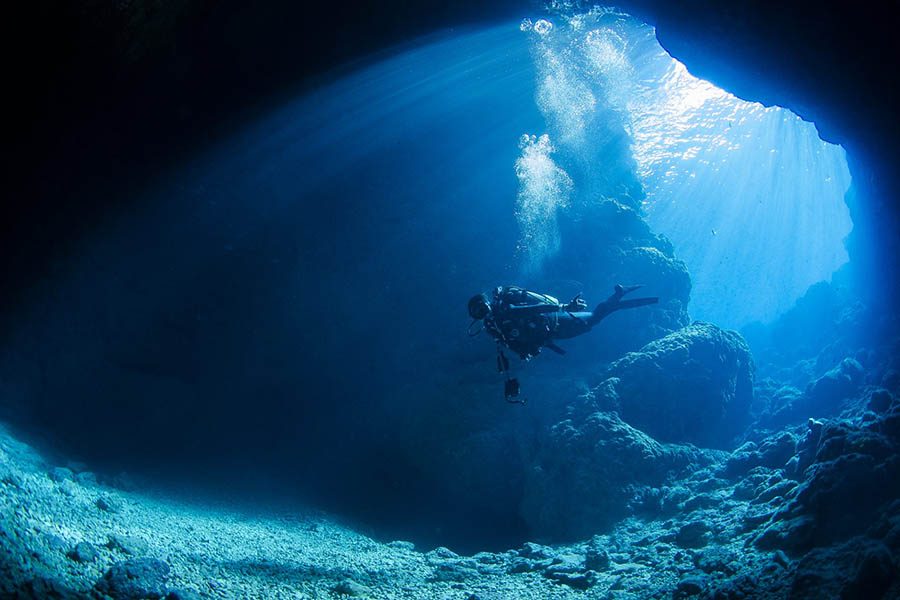
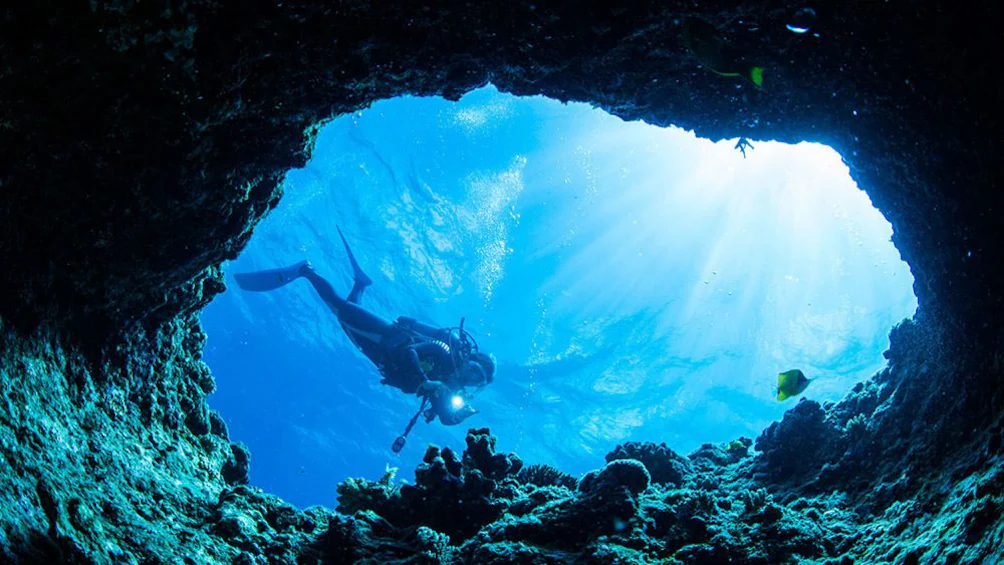
Position yourself deep within the grotto facing the entrance to capture the stark contrast of divers against the glowing backlight. This location defines the iconic okinawa blue cave diving aesthetic.
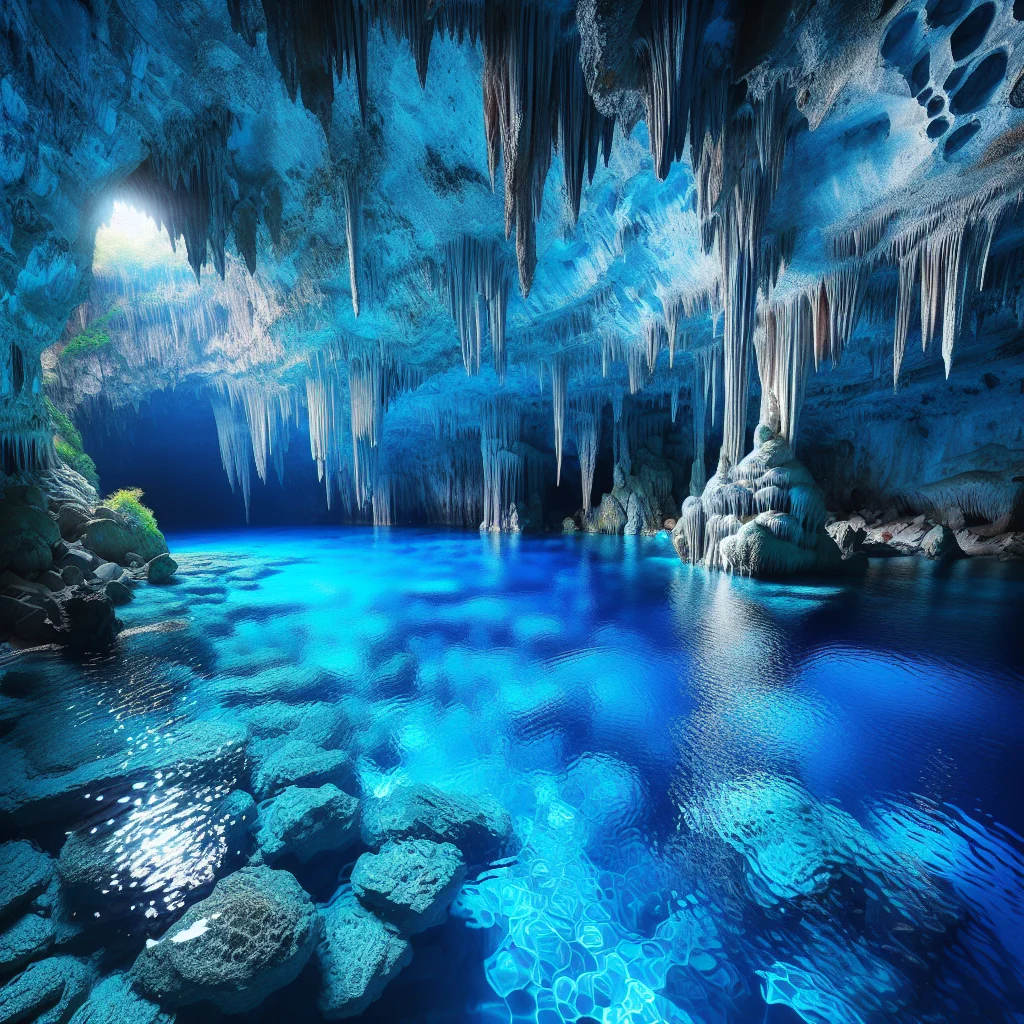
Located in the shallow center of the cave, this spot captures the intense azure light reflecting off the white limestone floor. Focus on the water surface for the clearest effect during okinawa blue cave diving tours.
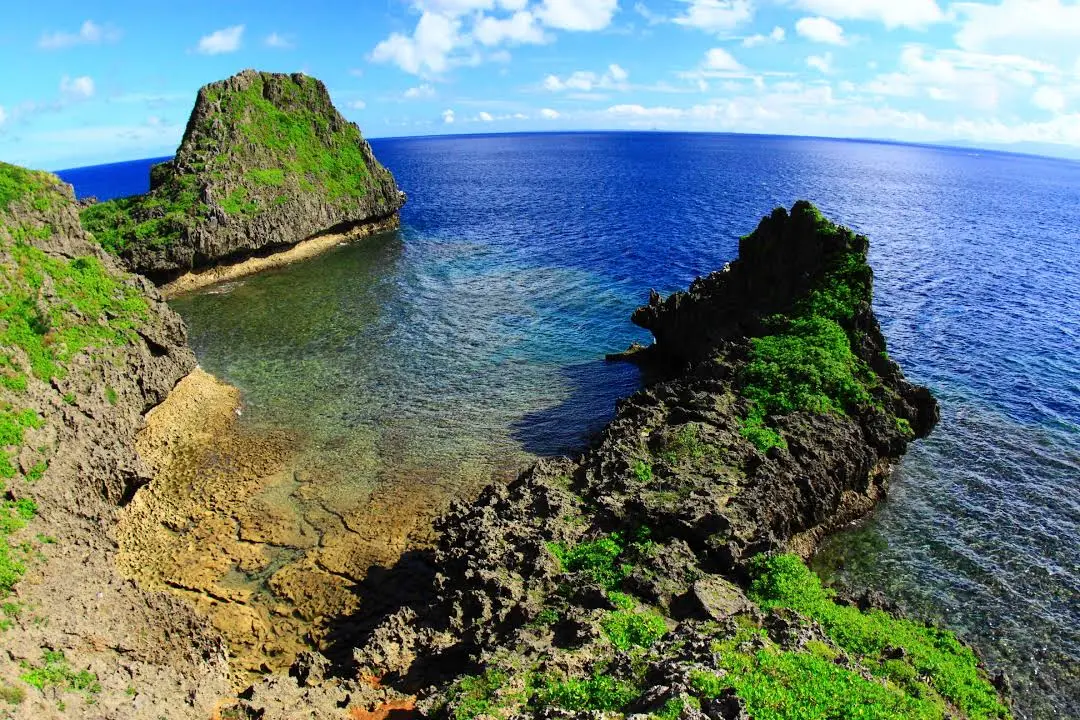
Situated above the cliff, this vantage point provides a panoramic view of the East China Sea and the coastline. It is the perfect place to photograph the surrounding landscape before starting your okinawa blue cave diving tour.
Found near the cave entrance, this natural rock formation frames the entrance with jagged textures. Use this angle to provide depth and context for your okinawa blue cave diving tickets purchase.
Planning a trip with children requires careful coordination, especially when considering okinawa blue cave diving. Navigating the stairs and water entries is manageable with preparation, making these okinawa blue cave diving tours accessible for active families.
The site has many steep stairs leading from the parking area to the water, so strollers are not practical and should be left in your vehicle. Instead, use a baby carrier for younger children until you reach the shoreline preparations area.
While younger children can view the Cape Maeda coastline, most okinawa blue cave diving tour operators require kids to be at least six years old for snorkeling and older for scuba. Confirm specific age limits with your provider before booking your okinawa blue cave diving tickets.
Public restrooms and coin-operated showers are available at the facility for post-swim cleanup, though they can get busy. Pack extra towels and a change of clothes in a waterproof bag, as changing areas are basic and shared.
To ensure a smooth experience, adhere to the best arrival window of 08:30–10:30 to avoid heavy midday crowds and ensure better cave visibility. Allow extra time for navigating the descent to the water and fitting gear for younger swimmers.
Visitors planning their okinawa blue cave diving experience will find limited dining options directly on-site at Cape Maeda, though several establishments sit just a short drive away. Most travelers grabbing a bite after their okinawa blue cave diving tours prefer visiting the nearby coastal eateries in Onna village for a full meal.
Located directly at the facility, this spot offers light snacks and refreshments perfect for a quick pause after your okinawa blue cave diving tour. It is convenient for those who prefer to stay within the park boundaries.;Ryukyu no Ushi
Everything you need to know for your journey
The Cape Maeda area is open from 08:30–17:30 daily.
Yes, guided okinawa blue cave diving tours are suitable for beginners with proper instruction.
Bring a swimsuit, towel, and change of clothes for your okinawa blue cave diving trip.
Yes, securing your okinawa blue cave diving tickets through the operator ensures your reservation.
Yes, lockers are available at the facility for a fee to secure your items during your okinawa blue cave diving session.
Personal underwater cameras are allowed, provided they are securely attached during your okinawa blue cave diving dive.
Cancellation policies vary by operator; please verify your specific okinawa blue cave diving booking terms.
Age restrictions apply based on the operator's safety policies for diving at the Blue Cave.
Yes, you can easily visit nearby sites like Manzamo after your okinawa blue cave diving experience.
Yes, paid parking is available at the entrance to the Cape Maeda facility.
The scenic coastal promontory providing the primary access point for diving adventures.
A cultural village showcasing traditional architecture and heritage of the region.
A cliff formation offering expansive views of the East China Sea and coral reefs.
A pristine stretch of shoreline ideal for relaxation after your underwater excursion.
Concentration of high-end seaside hotels and beach resorts.
Local guesthouses and private vacation rentals near the coast.
More affordable lodging options located further north along the island.
Join thousands of happy travelers who have discovered this incredible experience
Book Your Experience Now